
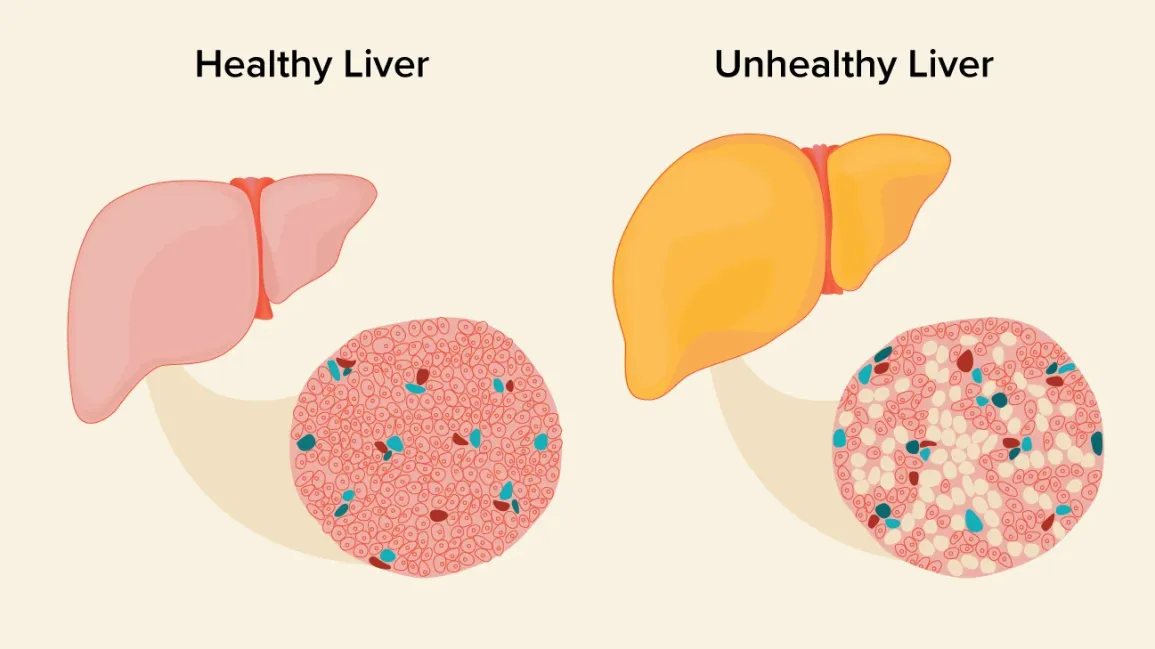
Fatty liver disease is one of the most common health conditions in the world today—yet many people don’t even realize they have it. Often silent in its early stages, this condition can quietly progress into serious liver damage if left unaddressed.
The good news? Fatty liver is not only preventable—it’s also reversible in many cases. Whether you’re newly diagnosed, at risk, or simply looking to protect your liver health, understanding the causes, symptoms, and treatment options is essential.
Let’s dive into what fatty liver really means—and what you can do about it.
What Is Fatty Liver Disease?
Fatty liver disease occurs when too much fat accumulates in liver cells. While the liver normally contains some fat, it becomes a concern when fat makes up more than 5–10% of the liver’s weight.
There are two primary types of fatty liver disease:
1. Non-Alcoholic Fatty Liver Disease (NAFLD)
NAFLD is the most common form and is not caused by alcohol consumption. It is strongly linked to lifestyle factors like poor diet, obesity, and lack of exercise. NAFLD can range in severity:
- Simple fatty liver (steatosis): Fat is present, but there’s little or no inflammation or liver cell damage.
- Non-alcoholic steatohepatitis (NASH): A more serious form involving liver inflammation and damage, which can progress to fibrosis (scarring), cirrhosis, or even liver cancer.
2. Alcoholic Fatty Liver Disease (AFLD)
This form is caused by excessive alcohol use. When the liver breaks down alcohol, harmful substances are produced that can lead to inflammation and fat buildup.
Why Fatty Liver Happens: Common Causes and Risk Factors
Fatty liver doesn’t happen overnight—it develops over time, often due to a combination of poor lifestyle choices and underlying health conditions. Here are some key risk factors:
🚩 Obesity
Excess body weight is the most common driver of fatty liver. Belly fat, in particular, increases the risk due to its effect on insulin resistance and fat metabolism.
🍩 Unhealthy Diet
A diet high in refined sugars, processed foods, saturated fats, and trans fats can contribute to fat accumulation in the liver.
🩸 Insulin Resistance and Type 2 Diabetes
When cells stop responding to insulin properly, glucose builds up in the blood. This contributes to fat buildup in the liver.
🧬 Genetics
Certain genetic traits can increase susceptibility, especially among individuals of Hispanic, South Asian, and Middle Eastern descent.
🍷 Alcohol Consumption
Even moderate alcohol intake can worsen liver health, especially when combined with other risk factors.
💊 Medications
Some drugs, including corticosteroids, tamoxifen, and certain antivirals, can cause or worsen fatty liver.
Signs and Symptoms: What Does Fatty Liver Feel Like?
One of the biggest challenges with fatty liver is that it’s usually silent in the early stages. Many people live with it for years without realizing anything is wrong.
When symptoms do occur, they may include:
- Persistent fatigue or tiredness
- Discomfort or pain in the upper right abdomen
- Mild nausea
- Loss of appetite
- Weight loss (unintended)
- Weakness
- Enlarged liver (detected during a medical exam)
In more advanced stages—especially in NASH or cirrhosis—more serious signs can appear, such as:
- Yellowing of the skin or eyes (jaundice)
- Swelling in the legs or abdomen
- Confusion or difficulty concentrating (a sign of liver dysfunction)
How Is Fatty Liver Diagnosed?
If your doctor suspects fatty liver disease, they may recommend one or more of the following tests:
- Blood Tests: Elevated liver enzymes (ALT and AST) may indicate liver inflammation.
- Imaging Tests: Ultrasound, CT scan, or MRI can reveal fat accumulation in the liver.
- FibroScan: A specialized ultrasound that measures liver stiffness and fat content.
- Liver Biopsy: In some cases, a small tissue sample may be taken to assess inflammation, scarring, or more advanced liver disease.
Reversing Fatty Liver: Can It Be Treated?
Yes—and often without medication. In fact, fatty liver is one of the few chronic conditions that can be reversed with lifestyle changes. Here’s how to take control of your liver health:
🔑 1. Lose Weight (Even a Little Helps)
Weight loss is the most effective way to reduce liver fat. You don’t need to lose a lot—even 5–10% of your body weight can make a huge difference.
Focus on:
- Slow, steady weight loss (1–2 pounds per week)
- Sustainable changes—not crash diets
🥗 2. Eat a Liver-Friendly Diet
What you eat has a direct impact on your liver. Aim for a balanced, whole-food-based diet:
Foods to Embrace:
- Fresh vegetables and fruits
- Whole grains (like oats, brown rice, and quinoa)
- Lean proteins (chicken, fish, legumes, tofu)
- Healthy fats (avocados, nuts, olive oil)
- Green tea (may help reduce fat in the liver)
Foods to Avoid:
- Sugar-sweetened drinks (soda, fruit juices)
- White bread, pastries, and other refined carbs
- Processed meats (like bacon and sausages)
- Fried and greasy foods
- Alcohol
The Mediterranean diet has shown promising results in managing and even reversing fatty liver.
🏃♂️ 3. Move Your Body Regularly
Exercise helps burn liver fat, even if you don’t lose weight.
- Aim for at least 150 minutes per week of moderate activity (like walking or cycling)
- Include strength training 2–3 times per week to boost metabolism
🩺 4. Manage Related Health Conditions
Keep blood sugar, cholesterol, and blood pressure in check. If you have type 2 diabetes, fatty liver risk increases significantly, so work closely with your doctor to manage it.
🛑 5. Avoid Alcohol and Unnecessary Medications
Even light drinking can be harmful if you already have liver problems. If you have NAFLD, it’s often best to avoid alcohol completely.
Also, be cautious with over-the-counter medications and supplements. Talk to your doctor before starting anything new.
Final Thoughts: Your Liver Can Heal—But You Have to Act
Fatty liver disease is on the rise, but it doesn’t have to be a lifelong condition. In its early stages, fatty liver is completely reversible—often without the need for medications or invasive procedures.
Your liver is a powerful, self-healing organ. By making small, consistent changes to your diet, lifestyle, and habits, you can support its healing process and prevent future complications.
If you suspect you may have fatty liver or you’re at risk, don’t wait. A simple blood test or ultrasound can help you take the first step toward a healthier future.
Check More Posts